TL;DR
- A PRP injection for back pain uses a concentrate of your own platelets, placed into the painful joint, ligament or muscle.
- It is most often considered for facet joint, sacroiliac (SI) joint, ligament and some disc-related low back pain.
- Research is promising but mixed. PRP is not a guaranteed fix and works best inside a plan with exercise.
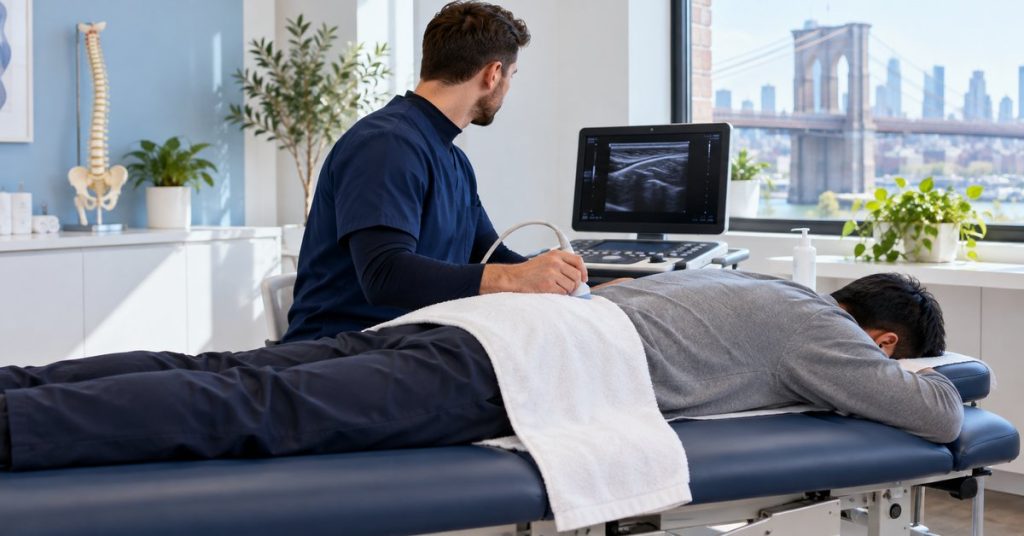
- Injections are placed with ultrasound guidance, and improvement usually builds over several weeks.
What a PRP injection for back pain is
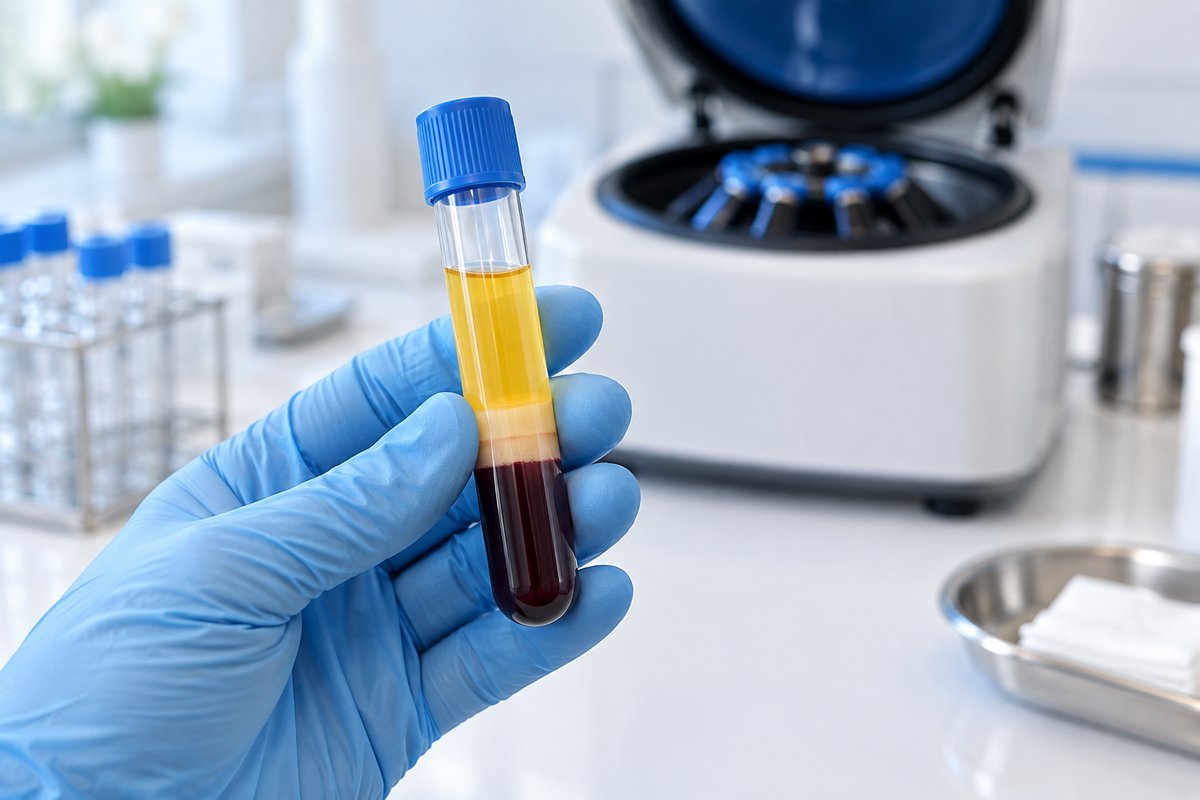
PRP stands for platelet-rich plasma. A small amount of your blood is drawn and spun in a centrifuge to concentrate the platelets, which carry growth factors involved in healing. That concentrate is then injected into the area causing pain. Because it comes from your own blood, the risk of an allergic reaction is very low. Learn more on our PRP therapy page.
Back problems PRP may help
- Facet joint pain, from the small joints at the back of the spine
- Sacroiliac (SI) joint pain, felt low in the back and buttock
- Ligament and muscle injuries that have not healed
- Some disc-related pain, as part of a broader plan
PRP is not the right tool for nerve compression that is causing leg weakness, or for fractures or infections. Those need a different plan.
Who is a good candidate
- Low back pain that has lasted more than a few months
- Exercise and physical therapy have helped only partly
- You want to avoid surgery or repeated steroid injections
- An exam points to a joint, ligament or muscle source
What the evidence says
Studies of PRP for facet and SI joint pain and for some disc pain show improvement for many patients, sometimes lasting months. The research is still growing, and results vary from person to person. That is why we explain the likely benefit for your specific problem before recommending it.
What to expect on the day
- Blood draw, similar to a routine lab test.
- Preparation in a centrifuge, about 15 minutes.
- Injection with ultrasound guidance to place PRP precisely. See ultrasound-guided injections.
- Rest for the day, then a gradual return to activity.
The area is often sore for a few days. Most people notice change over two to six weeks.
Risks and side effects
PRP is generally considered low risk because it comes from your own blood. Possible side effects include:
- Soreness and stiffness at the injection site for a few days
- Mild bruising
- Rarely, infection or a temporary increase in pain
Who should not have PRP
PRP is usually avoided if you have:
- A blood or platelet disorder
- An active infection or cancer in the area
- Severe anemia
- Ongoing use of certain blood thinners that cannot be paused safely
Your doctor reviews your health history and medications first.
PRP compared with a steroid injection
A steroid injection calms inflammation quickly but wears off. PRP works more slowly and aims to support healing of the tissue. Some patients use one, some the other, depending on the cause and their goals.
PRP compared with surgery
Surgery is usually considered for severe nerve compression, instability or structural problems that do not respond to non-surgical care. PRP sits earlier in the path: it is one of the options to try when exercise and physical therapy have helped only partly and the pain comes from a joint, ligament or muscle. Many people use PRP to avoid or delay surgery. Read about other non-surgical options in our herniated disc page.
Making PRP work better
- Follow the activity plan for the first week
- Start or continue physical therapy as directed
- Avoid anti-inflammatory medication for a short period if your doctor advises it
Learn more about causes on our lower back pain page.
Before you book
- Where: 6010 Bay Parkway, 6th Floor, Suite 603, Brooklyn, NY 11204
- Phone: (718) 576-2001
- Cost: PRP is often not covered by insurance. Call and we will explain your options before your visit.
Frequently Asked Questions
Do PRP injections work for back pain?
They help many people with joint, ligament and some disc-related back pain. Results vary.
How long does a PRP injection for back pain take to work?
Most people notice change over two to six weeks.
Is a PRP injection for back pain painful?
There is pressure during the injection and soreness for a few days.
How many PRP injections do I need for back pain?
Some people need one. Others need a short series.
Is PRP better than a cortisone shot for back pain?
They work differently. Cortisone is faster but temporary. PRP is slower and aims to support healing.
Ready to talk about your pain?
Bay Way Pain Medical Care, 6010 Bay Pkwy, 6th Floor, Suite 603, Brooklyn. We accept most insurances.
Request an Appointment Call (718) 576-2001