
TL;DR
- A pain management doctor is a physician who diagnoses the cause of pain and treats it, mostly without surgery.
- Most trained first in anesthesiology, physical medicine and rehabilitation, or neurology, then completed extra training in pain medicine.
- They use exams, imaging and sometimes diagnostic injections to find the source of pain.
- Treatment can include physical therapy, guided injections, regenerative care, device-based therapies and careful use of medication.
- See one when pain lasts more than a few weeks or keeps you from daily life.
What a pain management doctor does
A pain management doctor, also called a pain medicine physician or pain specialist, focuses on one problem: pain that is not going away on its own.
The work has three parts:
- Find the source. Pain can come from a disc, a joint, a nerve, a muscle or a tendon, or several at once.
- Build a plan. Match treatments to that cause, starting with the least invasive options likely to work.
- Adjust over time. Check progress at follow-up visits and change the plan if something is not helping.
They also coordinate with your primary care doctor, physical therapist and, when needed, a surgeon.
How pain management doctors are trained
After medical school, a pain management doctor usually completes:
- A residency in a field such as anesthesiology, physical medicine and rehabilitation (PM&R), neurology or psychiatry
- A fellowship of about one year focused on pain medicine
- Board certification in their main specialty, and often a subspecialty certification in pain medicine
PM&R doctors, sometimes called physiatrists, bring extra focus on movement, function and rehabilitation.
How they find the cause of your pain
- A detailed history: where it hurts, how it started, what makes it worse and what you have tried
- A physical exam: movement, strength, reflexes, sensation and the exact spots that are tender
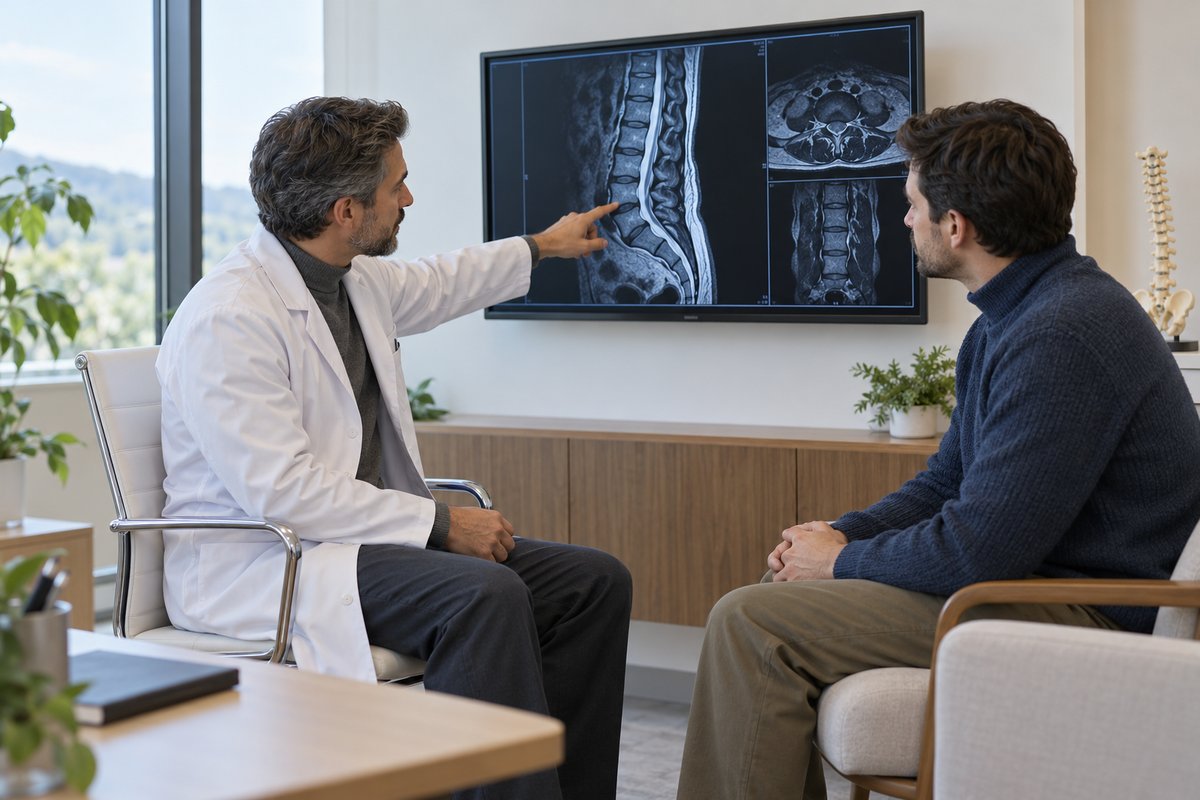
- Imaging review: X-ray, MRI or ultrasound when it will change the plan
- Nerve tests: such as EMG or nerve conduction studies when nerve damage is suspected
- Diagnostic injections: a small dose of numbing medicine placed in one spot to confirm whether it is the pain source
Treatments a pain management doctor may use
Most plans combine two or three of these:
- Physical therapy and exercise to restore strength and movement. See our physical therapy service.
- Guided injections into joints, tendons or around nerves, often with ultrasound for accuracy. See ultrasound-guided injections.
- Nerve blocks and spinal injections such as epidurals, for certain back, neck and nerve pain
- Regenerative treatments such as PRP therapy
- Device-based therapies such as laser, shockwave and magnetic therapy
- Medication chosen carefully, with non-opioid options first
What a pain management doctor does not usually do
- Surgery. Most pain doctors do not operate. If surgery is the right answer, they refer you to a surgeon.
- Long-term opioids as the main plan. Modern pain care uses them sparingly, if at all.
- One treatment for everyone. The plan should fit your diagnosis, your goals and your daily life.
Conditions pain management doctors treat
- Low back pain, sciatica, herniated discs and spinal stenosis
- Neck pain and pinched nerves
- Knee, hip and shoulder pain, including arthritis
- Peripheral neuropathy and other nerve pain
- Sports and overuse injuries
- Chronic pain that has lasted three months or more
When to see a pain management doctor
- Pain has lasted more than a few weeks and is not improving
- It keeps you from work, sleep or daily activities
- Rest, medication or physical therapy have not given enough relief
- You want to avoid surgery or long-term pain medication if possible
Go to the emergency room instead for red-flag symptoms such as loss of bladder or bowel control, sudden leg weakness, or pain after a serious fall or accident.
If you live in Brooklyn, read pain management doctors in Brooklyn: what to expect, and see how to prepare for your appointment.
Before you book
- Location: 6010 Bay Parkway, 6th Floor, Suite 603, Brooklyn, NY 11204
- Phone: (718) 576-2001
- Insurance: we accept most insurance plans. Call and we will check yours before your visit.
- Referral: depends on your plan. We can tell you when you call.
Frequently Asked Questions
What does a pain management doctor do?
They find the cause of your pain and treat it, mostly without surgery, using therapy, guided injections, regenerative care, device-based therapies and careful use of medication.
Is a pain management doctor a real doctor?
Yes. They are physicians (MD or DO) who completed a residency and usually a fellowship in pain medicine.
Do pain management doctors do surgery?
Usually not. They focus on non-surgical care and refer to a surgeon when surgery is the better option.
Do pain management doctors only prescribe pain pills?
No. Most plans focus on therapy, injections and drug-free treatments, with medication used carefully.
What tests does a pain management doctor do?
A history and exam, a review of imaging, and sometimes nerve tests or diagnostic injections.
When should I see a pain management doctor?
When pain lasts more than a few weeks, keeps coming back, or limits work, sleep or daily life.
Ready to talk about your pain?
Bay Way Pain Medical Care, 6010 Bay Pkwy, 6th Floor, Suite 603, Brooklyn. We accept most insurances.
Request an Appointment Call (718) 576-2001