TL;DR
- Innovative pain management techniques include laser therapy, electromagnetic field therapy and guided rehab.
- Most are non-drug options that aim to reduce pain and support healing.
- They work best as part of a plan built on a proper diagnosis.
- Not every technique fits every condition, so an evaluation comes first.
1. Applications of Improved Laser Therapy
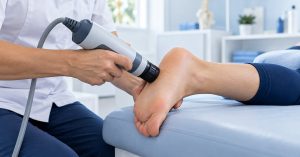
Laser treatment is now widely used in pain management clinics in Brooklyn. This approach, in addition to lowering pain and inflammation, hastens tissue repair and enhances circulation. Doctors may tailor therapies for a variety of illnesses, including nerve injuries and soft tissue disorders, by using different wavelengths and frequencies.
Laser therapy, a non-invasive and painless treatment, has developed as a very useful technique in contemporary pain management, notably at advanced clinics in Brooklyn. Laser treatment, which uses precise wavelengths of light to interact with tissue, may speed up healing and give pain relief for a range of illnesses.
Treating Chronic Pain Conditions: Laser therapy may help in the treatment of chronic pain, including fibromyalgia and persistent neck or back pain. The laser may decrease inflammation, increase blood flow, and promote tissue healing at the cellular level by penetrating deep into tissue, which may help ease pain and functional gains.
Post-Surgical Recovery: Laser treatment may greatly decrease post-operative pain and edema. Its capacity to increase circulation and promote cell regeneration aids in quicker wound healing, lowering the danger of infection and decreasing the recovery time. This makes it an ideal supplement to traditional post-surgical treatment.
Athletes and active people benefit substantially from laser treatment for sports injuries. It may help with sprains, strains, tendonitis, and other sports-related injuries by lowering inflammation and edema, hastening muscle fiber and ligament healing, and relieving pain. This helps sportsmen to go back to their hobbies faster.
Arthritis Management: For arthritis patients, laser treatment provides relief from the condition’s persistent pain and stiffness. It improves the quality of life for people with osteoarthritis or rheumatoid arthritis by increasing joint mobility and decreasing inflammation.
Neuropathic Pain Relief: Laser treatment provides considerable advantages to patients suffering from illnesses such as peripheral neuropathy. It may support nerve health and alleviates the pain and tingling sensations that are often linked with neuropathic diseases.
Wound Healing: The capacity of laser treatment to increase collagen formation and encourage cell proliferation speeds up the healing process in wounds, particularly diabetic ulcers. This is especially advantageous for diabetic individuals, who often have delayed wound-healing capacities.
Myofascial Pain Syndrome: By targeting trigger points and relieving the pain and muscular stiffness associated with this condition, laser therapy may be an effective treatment for myofascial pain syndrome.
TMJ diseases: Laser treatment may help treat temporomandibular joint diseases, which cause discomfort and dysfunction in the jaw joint and muscles. It alleviates discomfort and inflammation while also improving jaw function.
The enhanced laser treatment employed in pain management clinics in Brooklyn marks a major improvement in the area. It caters to a wide range of pain-related illnesses by providing a non-drug therapy option with few side effects, improving patient outcomes and overall quality of life. This unique approach demonstrates Brooklyn’s dedication to adopting new pain management technology and medicines, offering patients with modern treatment options.
2. HEIT (High-Energy Electromagnetic Field Therapy)
With its potential to permeate deeper tissues, HEIT is redefining pain management. This therapy is especially useful for individuals who have not reacted well to conventional therapies. Its high-energy fields are useful in treating illnesses ranging from osteoarthritis to complicated regional pain syndrome, providing hope to those suffering from chronic pain.
3. Ultrasound-Guided Injections
Some pain comes from a specific joint, tendon or nerve. With ultrasound-guided injections, the doctor sees the target on screen and places the medication precisely, which helps the injection reach the right spot.
4. Nerve Blocks
A nerve block places numbing or anti-inflammatory medicine near a specific nerve to calm the pain it carries. It can also help confirm where the pain starts, which guides the rest of the plan.
5. Focus on Non-Pharmacological Therapies
Brooklyn’s pain management attitude heavily supports non-drug treatments. Clinics provide a variety of options, from physical therapy to device-based therapies, with an emphasis on treating the underlying source of pain without the hazards associated with long-term pharmaceutical usage.
Brooklyn’s pain management clinics are pioneering a transition away from pharmaceutical therapies, acknowledging the limits and possible hazards of long-term drug use. This holistic approach, which focuses on addressing the underlying causes of pain, aims to promote long-term wellbeing and patient empowerment in addition to symptom relief.
Physical therapy is another important component of non-pharmacological treatment in Brooklyn. Expert physical therapists work directly with patients to increase mobility, strengthen muscles, and relieve pain using exercises and manual treatment methods. This proactive approach not only alleviates pain but also improves physical function and quality of life.
Brooklyn’s pain management clinics also make use of cutting-edge techniques such as laser therapy and electromagnetic therapy. Light and electromagnetic waves are used in these therapies to decrease inflammation, promote tissue repair, and diminish pain feeling.
Non-pharmacological treatments include mind-body therapies such as meditation and yoga. These activities not only aid with physical pain management, but also with the psychological components of chronic pain, such as stress reduction and mental well-being.
Physical therapy are not one-size-fits-all in Brooklyn. These treatments are highly customized, with rehabilitation regimens designed using cutting-edge technology. This strategy helps make sure patients are not only recuperating but also developing long-term habits to avoid future injuries.
Integrations of Behavioral and Psychological Factors
In Brooklyn pain management clinics, understanding the psychological effect of chronic pain is critical. Cognitive-behavioral therapy and mindfulness techniques are often used in therapies to treat the emotional and mental elements of pain and promote a complete recovery.
8. Interdisciplinary Collaborative Approach
The multidisciplinary teams of Brooklyn’s clinics have a synergistic impact. Patients get comprehensive treatment that covers all areas, from early pain relief to long-term rehabilitation and mental health assistance, by integrating the skills of numerous professionals.
9. Cutting-Edge Diagnostic Equipment
Brooklyn pain management clinics can detect the specific reasons of discomfort by using cutting-edge testing technologies. High-resolution ultrasonography and computerized movement analysis give accurate data that enables focused and successful treatment programs.
10. Emphasize Patient-Centered Care
A strong commitment to patient-centered treatment is at the core of Brooklyn’s pain management approach. This method entails listening to patient tales, analyzing their everyday issues, and tailoring therapies to their needs.
This compassionate approach means that treatment focuses not just on pain relief but also on enhancing overall quality of life.
Frequently Asked Questions
What are innovative pain management techniques?
They are newer, mostly non-drug treatments such as high-intensity laser therapy, electromagnetic field therapy and technology-assisted rehab. They are usually combined with physical therapy rather than used alone.
Is laser therapy painful?
Most patients feel gentle warmth during treatment. Sessions are short and done in the office.
Are non-drug pain treatments right for me?
Many people with back, neck, joint or nerve pain are good candidates. Your provider will confirm after reviewing your history and examining you.
How many sessions will I need?
It depends on your condition and how you respond. Your provider will suggest a starting plan and adjust it at follow-up visits.
How do I get started at Bay Way Pain in Brooklyn?
Call (718) 576-2001 to book a consultation at our Bay Parkway office. We will review your symptoms and explain which options fit.
Ready to talk about your pain?
Bay Way Pain Medical Care, 6010 Bay Pkwy, 6th Floor, Suite 603, Brooklyn. We accept most insurances.
Request an Appointment Call (718) 576-2001