TL;DR
- Pain management for seniors weighs pain relief against other health conditions and medications.
- Gentle options such as physical therapy and non-invasive therapies are often tried first.
- Family members or caregivers can help with pain assessment and follow-up.
- A plan should support mobility and fall prevention, not only pain scores.
Pain management in Brooklyn, especially among the elderly, has emerged as a crucial aspect of healthcare. With the unique challenges and needs of elderly patients, including chronic pain, comorbidities, and mobility issues, it’s essential to have a detailed understanding of what advanced pain management entails. In this article, we’ll explore the top 10 questions surrounding this topic, tailored specifically for pain management clinics in Brooklyn and guided by the expertise of renowned specialists like Dr. Henry Sardar.
1. What Makes Pain Management in Brooklyn Unique for Elderly Patients?
In Brooklyn, the uniqueness of pain management for the elderly stems from the diverse, culturally sensitive care approaches. Clinics, including those run by Dr. Henry Sardar, pain management specialist, recognize the importance of addressing not just physical pain but also the emotional and social factors that influence an elderly patient’s experience of pain. This involves collaborating with a network of specialists in geriatrics, physical therapy, and mental health to provide a comprehensive treatment plan.
2. How Do Pain Management Clinics in Brooklyn Address Mobility Issues in the Elderly?
Brooklyn clinics utilize therapies such as balance training and gentle strength-building exercises. These methods can help in not just alleviating pain but also in preventing falls and injuries, a common concern among the elderly. Additionally, clinics often provide education on safe mobility and ergonomics in daily activities, thus enhancing patients’ independence and quality of life.
3. What Advanced Pain Management Techniques are Available in Brooklyn?
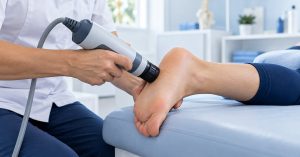
Beyond conventional treatments, clinics in Brooklyn are exploring advancements like guided injections and device-based therapies such as shockwave, laser and magnetic therapy. These methods are particularly beneficial for patients who have not responded well to traditional therapies. Moreover, with the integration of digital health technologies, clinics can offer more precise and tailored pain management strategies.
4. How Does Dr. Henry Sardar Approach Chronic Pain in Elderly Patients?
Dr. Sardar’s approach is deeply rooted in understanding the unique physiological changes that occur with aging. He emphasizes on gentle yet effective treatments, avoiding aggressive interventions that might pose risks to the elderly. His focus extends to enhancing mental well-being, recognizing its integral role in managing chronic pain effectively.
5. Are There Any Specific Therapies for Elderly Patients With Comorbidities?
Therapies for elderly patients with comorbidities in Brooklyn are carefully chosen to avoid drug interactions and minimize side effects. For instance, patients with cardiovascular issues may receive low-impact therapies like guided imagery or relaxation techniques. The aim is to provide pain management therapies while ensuring overall health stability.
6. What Role Does Patient Education Play in Pain Management?
Patient education is a cornerstone of pain management in Brooklyn. It involves teaching patients about the nature of their pain, strategies to cope with pain flare-ups, and how to use medications effectively and safely. This empowers patients, making them active participants in their pain management journey.
7. How Are Pain Levels Assessed and Monitored in Elderly Patients?
Assessment and monitoring are done using tools that are sensitive to cognitive impairments or communication barriers that might be present in the elderly. Pain management clinics often use visual aids, simplified rating scales, and involve family members or caregivers in the assessment process to ensure accurate pain evaluation.
8. Can Elderly Patients Access Alternative and Complementary Therapies in Brooklyn?
In Brooklyn, there’s a growing trend of integrating alternative therapies like cold laser therapy, shock wave therapy, and HEIT emFieldPro magnetic therapy into pain management programs. These therapies may help reduce pain and may also support mobility and emotional well-being, which is crucial for the holistic treatment of pain in the elderly.
9. What kinds of support services are available for elderly patients who are struggling with chronic pain condition?
A variety of support services are available, including social support groups, nutritional counseling, and aid with home health care. It is essential that these services be provided to help ensure that older patients are provided with a supportive atmosphere that is conducive to the management of chronic pain. In addition, events that include community engagement are organized in order to cultivate a sense of belonging and to lessen the feelings of loneliness that are frequently experienced by elderly people.
10. In what ways do pain management clinics in Brooklyn stay abreast of the most recent advancements in the field?
Brooklyn’s medical practices frequently take part in research and work in conjunction with academic institutions in order to maintain their position at the forefront of pain care. As a result of this continual interaction with the most recent scientific discoveries, the elderly patients can receive up-to-date and efficient care that is currently available.
Frequently Asked Questions
What is the safest pain management for seniors?
There is no single safest option. Doctors usually start with gentle, low-risk care such as physical therapy and non-invasive therapies, and choose medications carefully around other health conditions.
Can older adults have non-invasive pain treatments?
Often, yes. Therapies such as laser, magnetic therapy and decompression are used in older patients after a review of their health history.
Should a family member come to my appointment?
It can help. A family member or caregiver can share what they notice day to day and help keep track of the plan.
How does a doctor measure pain in an older patient?
Doctors use simple rating scales, ask how pain affects daily tasks and watch movement during the exam. Caregiver input can fill in gaps.
Ready to talk about your pain?
Bay Way Pain Medical Care, 6010 Bay Pkwy, 6th Floor, Suite 603, Brooklyn. We accept most insurances.
Request an Appointment Call (718) 576-2001