🔄 Back On Trac: Spinal Decompression for a Pain-Free Life
🧩 What Is Assisted Spinal Decompression?
Spinal decompression is a therapeutic technique designed to relieve pressure on the intervertebral discs and nerve roots of the spine. It uses an automated mechanical system that:
- 🛏️ Places the patient in a therapeutic position
- 🔄 Performs gradual, controlled traction
- 🧘 Integrates smooth stretching and lumbar relaxation movements
Unlike manual manipulation or medication-based approaches, this method is gentle, progressive, and patient-adaptive.
✅ Clinical Benefits of Spinal Decompression
Backed by evidence and years of patient experience, this therapy offers:
- 🔹 Reduced intradiscal pressure
- 🔹 Less nerve compression in the lower spine
- 🔹 Relief from low back and sciatic pain
- 🔹 Improved posture and spinal flexibility
- 🔹 A non-surgical path to healing
- 🔹 Support for disc regeneration
It also enhances blood and lymphatic circulation in the lumbar area, which speeds up the body’s natural healing response.
🧠 Who Is It For?
Assisted spinal decompression is recommended for people experiencing:
- ⚠️ Lumbar herniated or bulging discs
- ⚠️ Chronic low back pain
- ⚠️ Sciatica or radiating leg pain
- ⚠️ Mild to moderate spinal stenosis
- ⚠️ Disc degeneration
- ⚠️ Postural compression and muscular tightness
- ⚠️ Recurrent lower back spasms
It’s also ideal for patients who are seeking alternatives to invasive procedures or who haven’t had success with medication or traditional therapy alone.
🛠️ What Happens During a Back On Trac Session?
The therapy is done in a comfortable setting under professional supervision. Step by step:
- 🪑 The patient sits, then reclines on a motorized treatment table.
- 🔁 The system gently moves the spine through guided flexion, extension, and decompression.
- 🧩 Cycles of controlled lumbar traction are applied with customized intensity and duration.
- ⏱️ Sessions typically last 15–25 minutes, based on patient tolerance.
- 🧘 Breathing guidance and deep muscle relaxation are incorporated.
Most patients report immediate or progressive relief and a sense of lightness after a few sessions.
🔬 What Therapies Can Be Combined with Back On Trac?
To enhance results, spinal decompression is often combined with advanced therapies like:
- 💥 Shock Wave Therapy
For deep tissue regeneration and myofascial release. - 🌌 Pulsed Magnetic Therapy
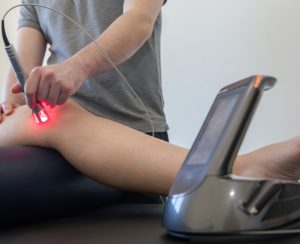
To stimulate blood flow and support healing in deep structures. - 💡 High-Intensity Laser Therapy
To reduce inflammation and improve circulation in painful areas. - 🧘 Guided Physical Therapy
To strengthen the lumbar region and correct postural imbalances. - 💉 Image-Guided Injections
For cases requiring targeted anti-inflammatory or regenerative treatment.
🧭 Are You a Good Candidate?
You may benefit from spinal decompression if you experience:
- 🔍 Persistent low back pain
- 🔍 Numbness, tingling, or weakness in the legs or glutes
- 🔍 Episodes of sciatica
- 🔍 A confirmed lumbar disc herniation
- 🔍 Trouble sitting or standing for extended periods
- 🔍 Poor posture or spinal misalignment
A healthcare professional will assess your case and determine if decompression therapy is suitable for your condition.
📊 What Results Can You Expect?
Patients who follow a structured decompression protocol often report:
- 📉 Gradual reduction in lumbar pain
- 📍 Improved spinal mobility and endurance
- 🧘 Greater muscle relaxation
- 💤 Better sleep quality
- 🏃♀️ Return to daily activities without fear of reinjury
Most treatment plans involve 8 to 12 sessions, typically 2–3 times per week, with personalized physical exercises at home or in clinic.
🚫 What This Therapy Helps You Avoid
Thanks to its progressive and gentle approach, Back On Trac helps you avoid:
- ❌ Prolonged use of painkillers or muscle relaxants
- ❌ Invasive surgeries with long recovery times
- ❌ Side effects from pharmacological treatments
- ❌ Loss of function due to chronic inactivity
🕊️ A Gentle Start Toward a Pain-Free Life
Lower back pain should not be a daily sentence. With advanced therapies like Back On Trac, you can regain control over your body, move freely, and live without fear of pain.
The first step is a professional evaluation to uncover the source of your pain and design a treatment plan tailored to your condition and goals.