TL;DR: The evidence for CBD in chronic pain is limited and mixed. It is not an approved treatment for pain, the products sold over the counter are not tightly regulated, and label accuracy varies. CBD also interacts with several common medications, including blood thinners. If you want to try it, tell the clinician managing your pain first, and choose a product that publishes third-party lab results.
Where the evidence actually stands
CBD, or cannabidiol, is one of the compounds found in cannabis. Unlike THC it is not intoxicating, which is why it has been marketed so widely.
Honest summary of the research: there is reasonable evidence for CBD in certain seizure disorders, which is why one CBD medicine has been approved for that use. For chronic pain the picture is far less settled. Studies are small, often short, use different products at different doses, and frequently compare against no meaningful control. Some show benefit, others show no difference from placebo. That does not mean it does nothing. It means the evidence is not strong enough for anyone to promise you a result.
Be sceptical of any clinic or brand quoting precise success rates for CBD in pain. The research does not support that kind of precision.
How it is thought to work
CBD does not bind to the main cannabinoid receptors the way THC does. The proposed mechanisms involve the endocannabinoid system and several other pathways, including effects on inflammatory signalling and on receptors involved in pain perception and mood. These mechanisms are plausible and are supported by laboratory work. Translating them into a reliable clinical effect in people with chronic pain is the part that remains unresolved.
If you are going to try it, how to choose a product
CBD products are sold as supplements rather than as medicines, which means the contents are not verified before sale. Independent testing has repeatedly found products containing more or less CBD than the label claims, and occasionally THC that was not declared. The quality markers below are what separate a serious product from a bottle of oil.
- A current Certificate of Analysis from an independent lab. It should cover the cannabinoid content, pesticides, heavy metals and residual solvents, and it should match the batch you are buying.
- Clear labelling of CBD content per serving, not just per bottle.
- Stated extraction method. CO2 extraction is generally cleaner and more consistent than solvent-based methods.
- Full spectrum, broad spectrum or isolate stated plainly. Full spectrum products contain trace THC, which matters if you are subject to drug testing.
- Manufacturing standards. Production under Good Manufacturing Practice conditions is a reasonable minimum.
Forms and how they differ
The form changes how quickly it takes effect and how long it lasts, which is worth knowing before spending money on the wrong one.
- Sublingual oil, held under the tongue, is absorbed relatively quickly
- Capsules and edibles take longer to take effect and last longer, since they pass through the digestive system
- Topicals are applied over a specific area and have little effect on the rest of the body
- Vaporised CBD acts fastest and wears off fastest, with the respiratory risks that come with inhaling anything
This site does not recommend doses. Dosing varies with the product, the person and what else they take, and it is a conversation to have with the clinician who is managing your care.
Safety and drug interactions, which are the part people skip
CBD is generally well tolerated, with reported side effects including tiredness, diarrhoea and appetite changes. The interactions matter more than the side effects.
CBD is processed by the same liver enzymes that handle a long list of common medications, which means it can raise or lower their levels in the blood. Tell your clinician before starting it if you take any of the following:
- Blood thinners, warfarin in particular
- Anti-seizure medication
- Certain antidepressants and sedatives
- Some heart medications and statins
- Immunosuppressants
Also mention it if you are pregnant, breastfeeding, or have liver disease.
Where it fits alongside treatment
CBD, if it helps, helps with symptoms. It does not change the mechanics of a compressed nerve, a worn joint or a tendon that has not healed. Anyone using it for chronic pain is better served treating it as one part of a plan rather than as the plan.
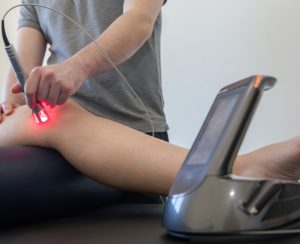
The treatments that address the underlying problem are the ones worth getting right first: physical therapy for the mechanics, and device or injection-based options such as shock wave therapy or laser therapy where the assessment supports them.
Frequently Asked Questions
Is CBD approved for pain?
No. The one approved CBD medicine is for certain seizure disorders. Everything sold for pain over the counter is a supplement, not an approved treatment.
Will CBD show up on a drug test?
Pure CBD should not, but full spectrum products contain trace THC and have caused positive results. If you are tested at work, this is a real consideration.
Is it legal in New York?
Hemp-derived CBD products are broadly available in New York, but rules change and vary by product type. Buy from sellers who publish their testing.
Can I take it with my prescriptions?
Ask the clinician who prescribed them. CBD interacts with several common medications, and blood thinners in particular need checking.
How long before I know whether it is helping?
There is no established answer, which is itself worth knowing. Keep a simple record of pain and function so the decision to continue or stop is based on something more than impression.
Talk to someone in Brooklyn
If you are considering CBD because nothing else has worked, that is worth a conversation about what has been tried and why it did not hold. Call (718) 576-2001 or request an appointment at our Brooklyn office on Bay Parkway.