TL;DR: Remote care handles some parts of chronic pain management well and others badly. Virtual physical therapy, check-ins between visits and medication reviews work well remotely. Diagnosis, hands-on treatment and anything device-based do not. The sensible arrangement for most people is a mix: in-person for assessment and treatment, remote for the coaching and accountability in between.
What works remotely and what does not
The useful question is not whether telehealth works, it is which parts of your care it can carry.
Works well remotely: exercise coaching and progression, reviewing how the week went, medication questions, adjusting a plan, and getting eyes on a flare-up quickly rather than waiting for an appointment.
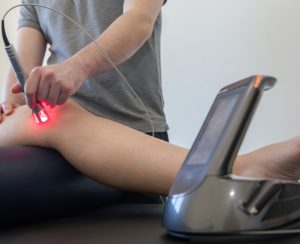
Does not work remotely: the first assessment, anything that needs hands on the affected area, injections, and device-based treatments such as shock wave therapy, laser therapy or traction. Those need you in the room.
Virtual physical therapy
More capable than most people expect, with real limits. A clinician watching you move on camera can see posture, compensation patterns and technique errors, and can correct them in your actual environment rather than in a clinic that looks nothing like your home.
The gains tend to come from frequency rather than from the technology. Short sessions between clinic visits, done consistently, generally beat one longer session a week. What it cannot do is assess what it cannot touch, which is why the first visit belongs in person.
Pain tracking apps, used properly
An app is useful for one thing: creating a record of what actually happened, rather than a memory of it. Pain, sleep, activity and what preceded a flare-up are all hard to recall accurately two weeks later and easy to log in thirty seconds a day.
What to look for is simple. Quick to log, tracks function and not just a pain score, exports something you can show your clinician. What to be wary of is any app promising a treatment outcome, or one that wants more data than it needs.
The record matters more than the app. A note on your phone works if you keep it.
Getting more out of a remote appointment
The common complaint is that video visits feel rushed and superficial. Preparation fixes most of that.
- Write down your three questions before it starts, in order of importance
- Have your medication list to hand, including anything over the counter
- Bring your log, or a summary of the last few weeks
- Set up where you have room to move, in case you are asked to demonstrate something
- Have good light and something to lean the camera against
- Say plainly what has changed since last time, better or worse
Blending the two
A workable pattern for persistent pain looks like this: in-person evaluation to establish the diagnosis, in-person treatment for anything hands-on or device-based, and remote contact in between for progression, questions and accountability.
That arrangement keeps the parts that need physical presence intact while removing the barrier that stops people continuing, which is usually travel and time rather than motivation.
Who does well with remote care
It suits people with a stable, established condition, reasonable comfort with the technology, somewhere at home to move, and a preference for managing things themselves between visits.
It suits less well if the diagnosis is not settled, if symptoms are changing quickly, if there is new weakness or numbness, or if the technology itself is an obstacle. None of that is a failing, it just means the balance should sit more heavily on in-person care.
Frequently Asked Questions
Can I be diagnosed over video?
Not reliably. A video visit can narrow things down and identify what needs urgent attention, but a diagnosis for persistent pain needs a physical examination and often imaging.
Is virtual physical therapy covered by insurance?
Often yes, though rules vary by plan and change periodically. Check your specific plan before booking a course.
Is it as good as in-person physical therapy?
For coaching and progression it can be comparable. For assessment and hands-on treatment it is not a substitute. Most people do best with both.
What if my pain gets worse between visits?
That is one of the better uses of remote access, getting a quick opinion on whether it is a flare to manage or something that needs to be seen. New weakness, numbness, fever or loss of bladder or bowel control needs prompt in-person care, not a video call.
Do I need special equipment?
A phone or laptop with a camera, enough space to move, and somewhere to prop the device. Nothing else is required.
Talk to someone in Brooklyn
If you are managing pain mostly on your own and it is not improving, start with an evaluation and build the remote part around it. Call (718) 576-2001 or request an appointment at our Brooklyn office on Bay Parkway.