🧠 Restoring Spinal Axis Harmony: Back On Trac and Cervi Trac as Catalysts for Neurofunctional Decompression and Postural Reprogramming
Technologies like Back On Trac (for the lumbosacral spine) and Cervi Trac (for the cervical spine) represent a new generation of intelligent therapeutic systems. These devices integrate computerized biomechanics, therapeutic ergonomics, and controlled sensory stimulation, redefining the clinical role of traction in functional pain management.
🔬 The Pathophysiology of Spinal Compression: Beyond Mechanical Pain
Spinal compression is not a purely mechanical phenomenon — it triggers a multisystemic pathophysiological cascade that includes:
- Loss of disc height and collapse of intervertebral foramina, causing progressive nerve root compression
- Perineural ischemia and dysfunction of C and Aδ nociceptive fibers
- Degeneration of nucleus pulposus viscoelasticity, disrupting axial load transmission
- Chronic neurogenic inflammation, promoting segmental sensitization
- Impaired reflex postural control and asynchrony in myofascial chains
These alterations lead not only to pain, but also to disruption of dynamic balance, muscular coordination, and autonomic regulation. Effective treatment must restore the full biomechanical and regulatory integrity of the spinal axis.
⚙️ Back On Trac: Advanced Lumbopelvic Traction Technology
Back On Trac utilizes a cyclical, multi‑directional lumbar decompression system, guided by therapeutic software and customizable parameters for angle, amplitude, and duration. Its ergonomic design, with leg support and low‑gravity positioning, facilitates:
- Intermittent, physiologic axial decompression without triggering muscle guarding
- Disc rehydration through controlled intradiscal pressure oscillations
- Non‑invasive reduction of nerve root pressure
- Activation of pelvic postural reflexes and release of deep myofascial tension
Indicated for:
- L4–L5, L5–S1 herniations and protrusions
- Chronic lumbosciatica with or without confirmed radiculopathy
- Facet syndrome and mild foraminal stenosis
- Mechanical low back pain with functional restriction
⚙️ Cervi Trac: Precision Cervical Decompression with Neuromuscular Impact
Cervi Trac offers progressive and controlled cervical traction, with precise adjustments in angle, force, and duration. Designed to match physiological cervical curvature, it promotes:
- Restoration of intervertebral spacing, particularly at C4–C7
- Relief of pressure on cervical plexuses and vertebral vessels
- Reduced stress on the spinal ganglion and mechanical allodynia
- Neuromuscular tone modulation in cervical and suboccipital regions through rhythmic, non‑invasive stimulation
Indicated for:
- Chronic cervicalgia with stiffness and limited mobility
- Cervical radiculopathy with paresthesia or motor weakness
- Cervicogenic vertigo and postural imbalance
- Tension‑type headaches linked to cervical compression
🔁 Traction + Active Therapy: A Synergistic Model of Functional Recovery
🔹 Functional Physical Therapy
Protocols focused on:
- Deep core activation (multifidus, transversus abdominis, gluteus medius)
- Segmental and global motor control retraining
- Postural integration through muscular chains (GDS, DNS, Souchard methods)
🔹 Regenerative Technologies: Laser + EMTT
A dual‑approach to pain relief and regeneration:
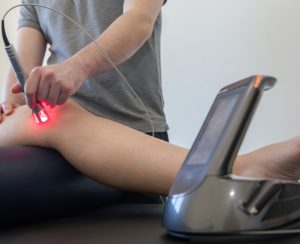
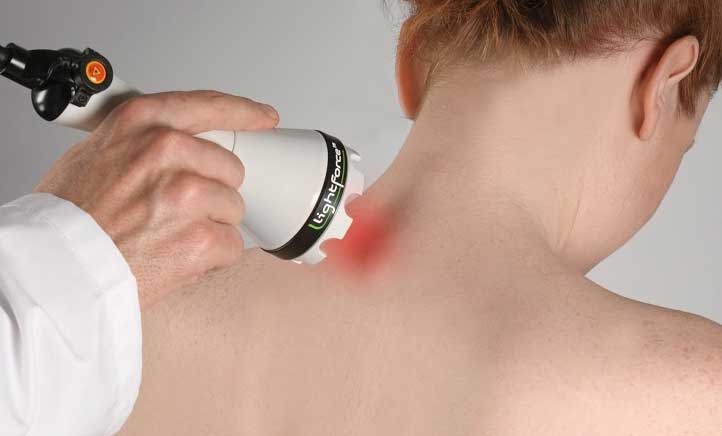
- High‑intensity laser therapy: Modulates paravertebral inflammation and stimulates neurovascular edema resolution
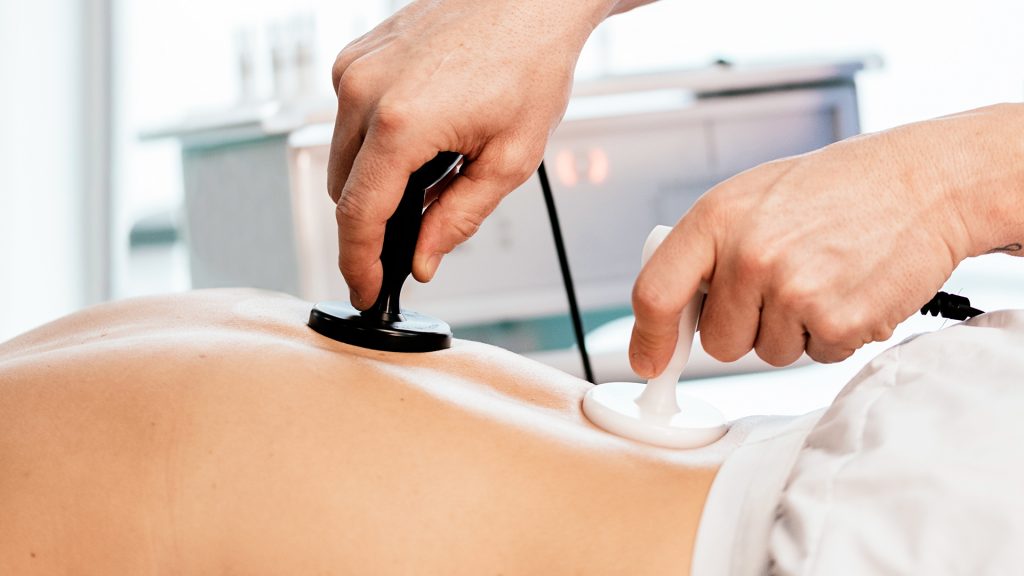
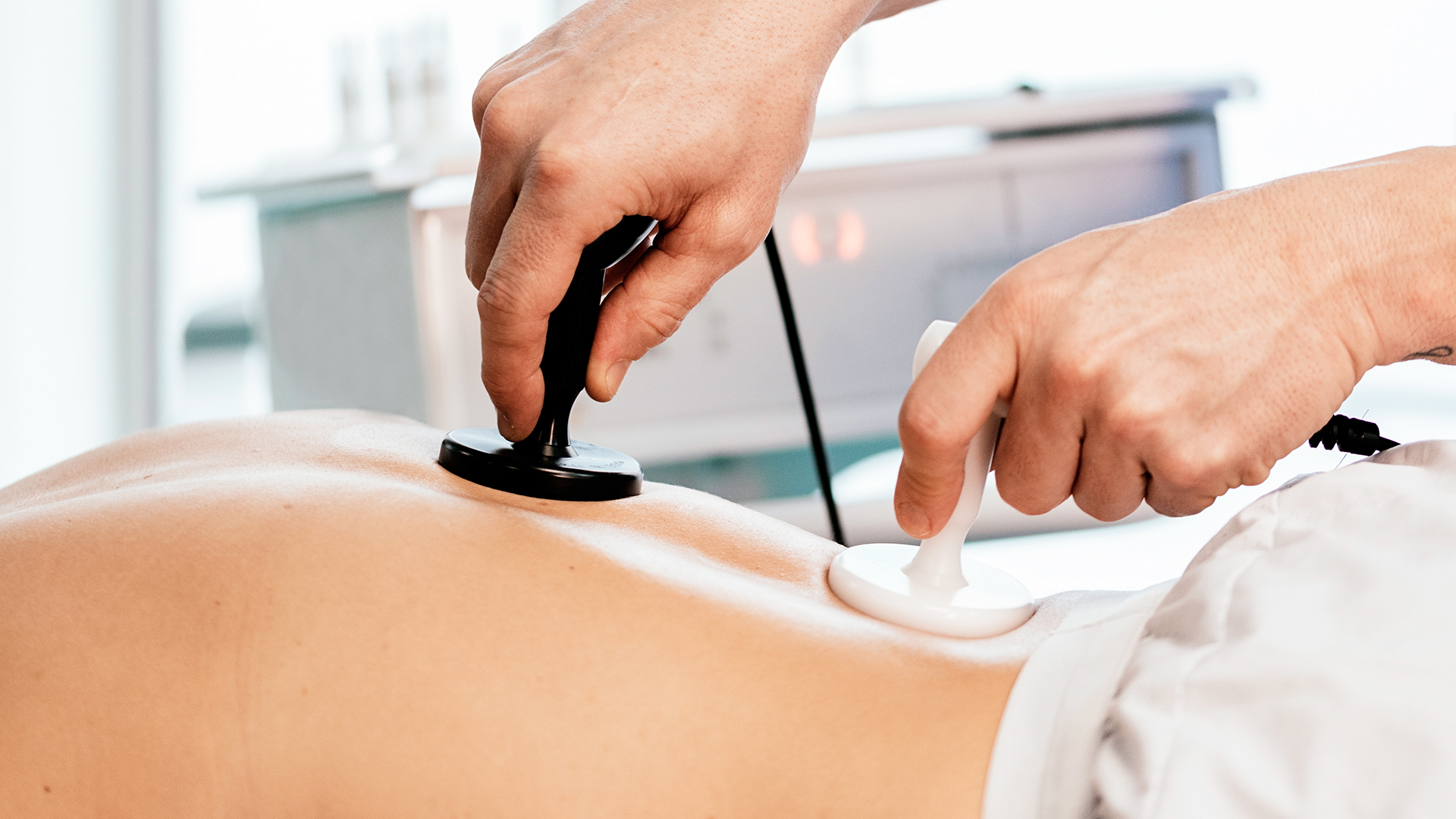
- EMTT (Electromagnetic Transduction Therapy): Deep neuromodulation that accelerates nerve regeneration and restores the disc’s bioelectric environment
📈 Observed Clinical Benefits
- ✅ Sustained reduction of cervical and lumbar pain without medication
- ✅ Increased range of motion and improved functional capacity
- ✅ Reversal of chronic flexion–protection movement patterns
- ✅ Prevention of recurrence through lumbopelvic and cervicoscapular stabilization
- ✅ Enhanced sleep, mood, and overall pain‑related quality of life
💡 Final Thought: Modern Traction Doesn’t Displace — It Reorganizes
Gone are the days when spinal traction was viewed as passive, generic, and uncomfortable. Advanced platforms like Back On Trac and Cervi Trac enable us to modulate spinal loads, regenerate disc and nerve tissue, decompress critical neurovascular structures, and retrain postural networks — all in a safe, non‑invasive, evidence‑based manner.
This is not just about relieving the back — it’s about restoring the body’s central axis, allowing patients to regain mobility, functional confidence, autonomy, and long‑term wellbeing.