TL;DR
- TECAR therapy uses radiofrequency energy to warm tissue from the inside, without needles or surgery.
- It has two modes: one for muscles and soft tissue, one for denser tissue like tendons and joints.
- Most people feel a gentle, deep warmth. Sessions usually run 15 to 30 minutes.
- It is used alongside physical therapy and exercise, not as a stand-alone fix.
What TECAR stands for
TECAR stands for Transfer of Energy Capacitive and Resistive. It is a form of radiofrequency treatment, sometimes called diathermy. A handheld electrode passes a low radiofrequency current through the treated area to a return plate on your body. Your own tissue resists that current, and that resistance creates warmth deep inside the area being treated.
Unlike a heating pad, the warmth is generated inside the tissue rather than pressed onto the skin.
How does TECAR therapy work?
TECAR has two modes, and the clinician switches between them depending on what is being treated.
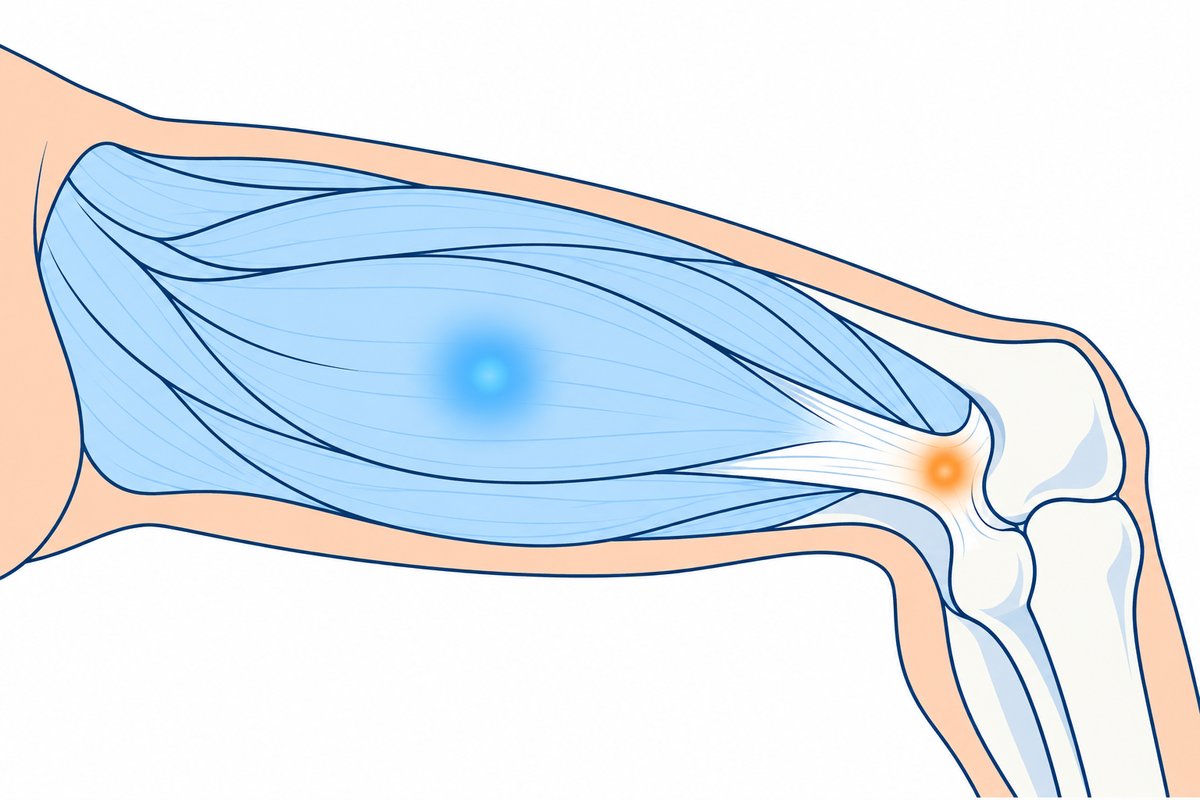
- Capacitive mode uses an insulated electrode. The energy stays mostly in soft, water-rich tissue closer to the surface, such as muscles.
- Resistive mode uses an uninsulated electrode. The energy reaches denser tissue such as tendons, ligaments and the area around joints.
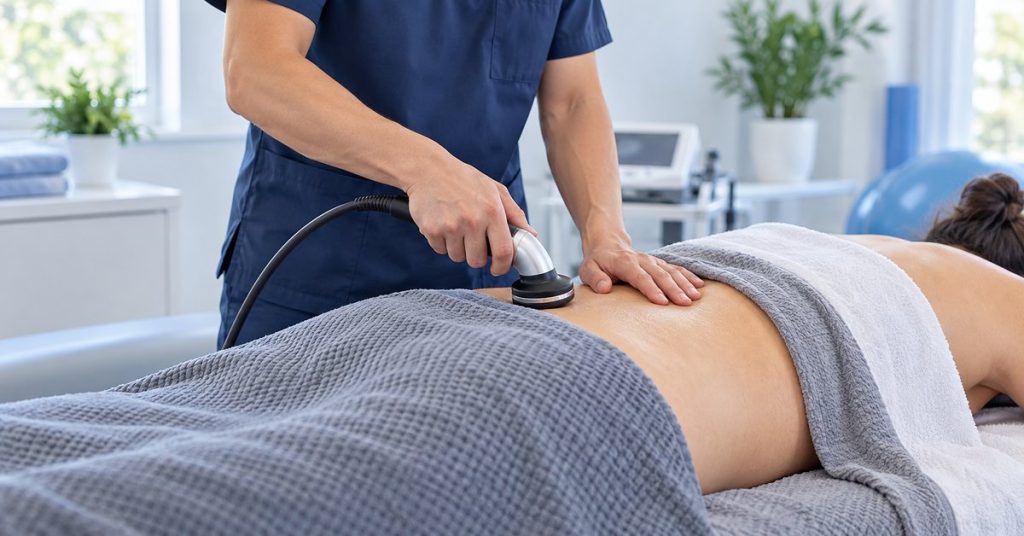
The clinician moves the electrode over the area with a conductive cream, adjusting the intensity as you go. It is often combined with hands-on therapy or movement during the same session.
What TECAR therapy is used for
TECAR is mainly used for muscle and joint problems, for example:
- Lower back pain and neck pain
- Knee pain and other joint stiffness
- Muscle strains and tight, overworked muscles
- Tendon problems, such as in the shoulder, elbow or Achilles
- Recovery after surgery or injury, once your surgeon or doctor has cleared you for it
Whether it fits your pain depends on what is causing it, which is why it starts with an evaluation.
Possible benefits of TECAR therapy
What patients and clinicians use it for:
- Warmth that relaxes muscles, which can make stretching and exercise easier.
- Better blood flow in the treated area.
- Less stiffness, so movement feels easier during therapy.
- No needles, no medication and no downtime. Most people go straight back to their day.
Results vary from person to person. Research on TECAR is still growing, so we use it as one part of a plan, not as a promise.
What a TECAR session feels like
- You lie or sit comfortably, with a metal return plate under or against you.
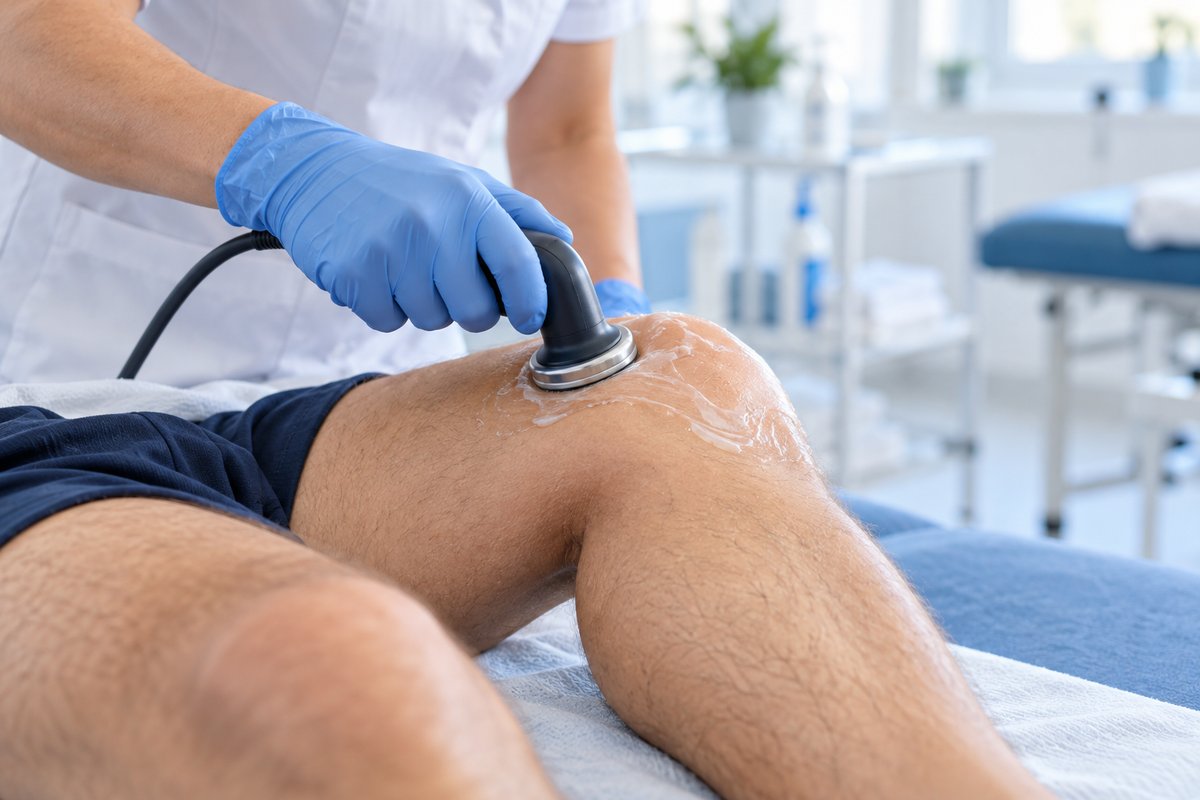
- The clinician applies a conductive cream and moves the electrode over the area.
- You feel a gentle, deep warmth. It should never feel hot or painful. Tell the clinician right away if it does.
- A session usually lasts 15 to 30 minutes.
- Many people need a series of sessions. Your clinician will suggest how many after the first few.
TECAR vs other in-office treatments
TECAR is one of several devices a clinic may use for muscle and joint pain. The main difference is how each one works:
- TECAR warms tissue from the inside using radiofrequency energy.
- Therapeutic ultrasound uses sound waves. Depending on the settings, it can warm tissue or work without heat.
- Laser therapy uses light that is absorbed by the tissue, and most people feel little or nothing.
- TENS uses mild electrical pulses on the skin to calm the pain signal, and it can be used at home.
None of these is “the best” in general. The right choice depends on what is causing your pain, how long you have had it and what else is in your plan. If you want to compare the others in more detail, see our guide to laser vs ultrasound vs TENS.
TECAR therapy for post-op recovery
TECAR is sometimes used during rehab after surgery, for example after knee or shoulder procedures. Timing matters. It should only start once your surgeon is happy with how the area is healing. If you are recovering from surgery, bring your surgeon’s notes to your evaluation.
Who should not have TECAR therapy
TECAR is not right for everyone. Tell your clinician if you have:
- A pacemaker or another implanted electronic device
- A pregnancy (TECAR is not used over the abdomen or lower back during pregnancy)
- Cancer, or a history of cancer, in the area being treated
- A blood clot, an open wound or an infection in the area
- Reduced feeling in the skin of the area
- Metal implants in the area
The most common side effects are mild and short-lived, such as redness or warmth in the skin. We cover TECAR therapy side effects in more detail in a separate post.
TECAR therapy at Bay Way Pain Medical Care
At our Bay Parkway office in Brooklyn, TECAR is part of a treatment plan, often alongside physical therapy. Your visit starts with an evaluation. If TECAR fits, we explain the plan and how many sessions to expect. Learn more on our TECAR therapy page.
Frequently Asked Questions
What is TECAR therapy?
TECAR therapy is a radiofrequency treatment that warms tissue from the inside. TECAR stands for Transfer of Energy Capacitive and Resistive, the two modes it uses.
How does TECAR therapy work?
A handheld electrode passes a radiofrequency current through the treated area to a plate on your body. The tissue’s natural resistance turns that energy into gentle, deep warmth.
What are the benefits of TECAR therapy?
It is used to relax tight muscles, improve blood flow and ease stiffness so therapy and exercise feel easier. Results vary, so it is used as part of a plan.
Does TECAR therapy hurt?
No. Most people feel a gentle warmth. It should never feel hot or painful, and the intensity can be turned down at any time.
How many TECAR sessions will I need?
It depends on the problem and how you respond. Most people need a series of sessions, and your clinician will suggest a number after the first few.
Can TECAR therapy be used after surgery?
Sometimes, once your surgeon has cleared the area. It is usually part of a wider rehab plan.
Ready to talk about your pain?
Bay Way Pain Medical Care, 6010 Bay Pkwy, 6th Floor, Suite 603, Brooklyn. We accept most insurances.
Request an Appointment Call (718) 576-2001